Guest Post by Ryan Lay, Loss Control Manager at ARU
In the world of agricultural insurance, hog confinement operations stand out for their complexity. Modern facilities are a sophisticated web of mechanical systems and stringent contractual obligations. At ARU, we believe that the best loss is the one that never happens. ARU is proud to partner with Stroud National Agency, Inc. to provide these specialized agricultural solutions.
This blog explores the critical property and liability factors our specialists evaluate to help producers safeguard their operations and maintain viable coverage.
Property Protection: Guarding the Infrastructure
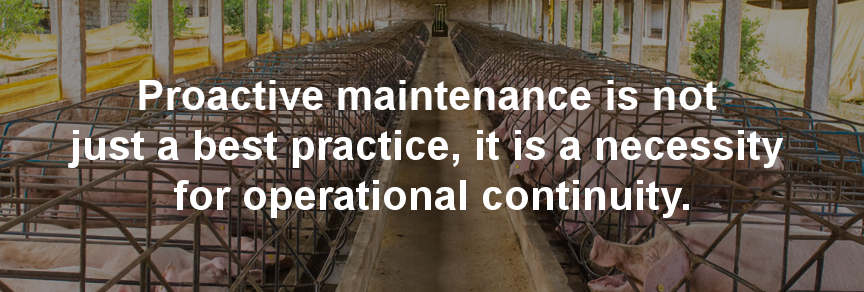
The operating environment of a hog barn is inherently demanding. Dust, humidity, and corrosive gases create a constant strain on building materials and mechanical equipment. Proactive maintenance is not just a best practice; it is a necessity for operational continuity.
Electrical Systems: Professionalism Over Ease
Electrical failures are a leading cause of property damage in hog operations, often resulting in devastating fires. While “DIY” fixes or installations by unqualified individuals may seem cost-effective, they introduce significant risks.
- Professional Inspections: Every operation should be inspected by a qualified electrical professional who understands the unique corrosive environment of livestock buildings.
- Prevention: Maintenance of motors and controllers, alongside strict management of temporary wiring and extension cords, is essential to prevent ignition.
Roof and Attic Integrity
The roof and truss system are the skeletal support of the confinement environment. Over time, moisture and gases can lead to hidden corrosion or rot in the attic space.
- Truss Maintenance: Regular inspections of trusses and roof purlins are critical, as structural weaknesses can lead to collapse during wind or snow events.
- Insulation Checks: Ensuring insulation remains intact and dry prevents temperature fluctuations that strain heating and ventilation systems.
Power and Contingency: More Than Just a Generator
A power failure in a hog barn can transition from a technical glitch to a livestock catastrophe in minutes.
- Installation & Maintenance: Simply owning a generator is insufficient. It must be correctly sized to support critical ventilation, water, and feeding systems. Adhering to NFPA 110, Standard for Emergency and Standby Power Systems, is critical to ensuring a generator operates as intended.
- Weekly Inspections: Check the Emergency Power Supply System (EPSS), including fuel, fluid, coolant, lubrication, battery chargers, and electrical control systems.
- Monthly Exercise: Run the generator under operating temperature for a minimum of 30 continuous minutes. To prevent damaging “wet stacking” in diesel units, the load should ideally be at least 30% of the nameplate rating or achieve recommended exhaust gas temperatures.
- Check Ups: Conduct comprehensive system checkups, annual fluid/coolant analysis, and periodic load bank testing (often required every 36 months if the unit does not regularly meet operational load thresholds).
- Contingency Planning: A robust Business Contingency Plan includes established protocols for when the primary operator is unavailable.
General Liability: Managing the Human and Biological Element
Operational risk in hog confinement extends beyond the physical structures to the management of staff, contracts, and biosecurity protocols.
Worker Safety and Staff Vetting
Many hog operations rely on leased labor, which presents unique management challenges.
- Training and Safety: Proper safety training is paramount to reducing risk. This includes training on equipment operation, chemical handling, and animal flight zones.
- Staff Vetting: Consistent vetting processes ensure that employees are qualified and understand the high-stakes nature of the environment they are managing.
Operational Excellence and Quality Standards
A commitment to high operational standards is fundamental to the long-term viability and reputation of any hog confinement facility.
- Standards of Care: Maintaining rigorous animal care protocols ensures both ethical production and operational efficiency, reflecting a broader commitment to industry best practices.
- Management Documentation: Consistent and thorough record-keeping of environmental conditions and health metrics serves as a vital tool for informed decision-making and business continuity.
Biosecurity and Food Safety
Biosecurity is the first line of defense against regional disease outbreaks that can cripple an operation.
- Disease Mitigation: Strict entry controls, sanitation stations, and veterinarian-approved vaccination programs are critical to preventing the spread of pathogens.
- Biohazard Management: Proper manure handling and carcass disposal are not only environmental requirements but also critical components of a facility’s biosecurity and food safety profile.
Partnering for Long-Term Success
ARU combines deep agricultural expertise with proprietary loss control technology to help producers turn risk findings into practical improvement plans. By focusing on prevention and proactive maintenance, we help hog operations stay productive, profitable, and insurable for years to come.
Have an account that you’d like to quote with ARU? Complete Stroud National’s online request form — no contract required to get started.
 About Ryan Lay
Ryan Lay, MS, CFPS, GSP, CRM, AINS, is a Loss Control Manager at ARU, where he specializes in evaluating risk exposures and enacting proactive risk mitigation solutions.
He holds a Master’s in Safety, Security, and Emergency Management and is a Certified Fire Protection Specialist through the National Fire Protection Association. Additionally, he holds multiple industry designations, including Graduate Safety Practitioner and Associate in General Insurance.
Ryan leverages his technical expertise alongside disciplined underwriting practices to help clients identify risks, improve safety outcomes, and make informed decisions. His practical, solutions-focused approach supports ARU’s commitment to effective, forward-thinking risk management.